With us, you can save up to 40% on furniture & finishes.
✕
With us, you can save up to 40% on furniture & finishes.
✕
Does Interior Design Increase Home Value? What Actually Pays Back
An honest look at the design decisions that influence buyers and appraisals, from layout and light to kitchens and finishes, and what adds personal value.
An honest look at the design decisions that influence buyers and appraisals, from layout and light to kitchens and finishes, and what adds personal value.
An honest look at the design decisions that influence buyers and appraisals, from layout and light to kitchens and finishes, and what adds personal value.
M.V
Marian Vist · Principal designer
·
·
6 min read
Take this into your home
Bring this article into your first conversation.
Share the passage and explain how it relates to the home you are planning.
01
01
The honest answer
Interior design can increase home value, but not evenly. Changes that improve layout, natural light, kitchens, bathrooms and the quality of permanent finishes tend to influence both buyers and appraisals. Decorative choices, furniture and personal styling mostly affect how quickly and warmly a house is received, rather than its appraised value. The distinction matters because two different judgments are at work. An appraiser typically compares the house with recent nearby sales and assesses its condition and quality of construction. A buyer makes a faster, more emotional judgment in the first minutes of a showing or the first photographs online. Good design affects both, through different mechanisms. For the appraiser, permanent improvements count: a renovated kitchen, updated bathrooms, well-maintained building systems, durable materials and functional additions. For the buyer, the feel of the house counts too: how rooms connect, how light falls, whether finishes feel coherent and whether the house looks cared for. What rarely pays back in full is work done for one owner's taste. Very specific color schemes, bold permanent tile, unusual layouts and expensive custom pieces that suit only one way of living may be loved by the people who chose them and discounted by everyone else. The sections below separate the moves that hold value from those that mainly hold meaning.
Interior design can increase home value, but not evenly. Changes that improve layout, natural light, kitchens, bathrooms and the quality of permanent finishes tend to influence both buyers and appraisals. Decorative choices, furniture and personal styling mostly affect how quickly and warmly a house is received, rather than its appraised value. The distinction matters because two different judgments are at work. An appraiser typically compares the house with recent nearby sales and assesses its condition and quality of construction. A buyer makes a faster, more emotional judgment in the first minutes of a showing or the first photographs online. Good design affects both, through different mechanisms. For the appraiser, permanent improvements count: a renovated kitchen, updated bathrooms, well-maintained building systems, durable materials and functional additions. For the buyer, the feel of the house counts too: how rooms connect, how light falls, whether finishes feel coherent and whether the house looks cared for. What rarely pays back in full is work done for one owner's taste. Very specific color schemes, bold permanent tile, unusual layouts and expensive custom pieces that suit only one way of living may be loved by the people who chose them and discounted by everyone else. The sections below separate the moves that hold value from those that mainly hold meaning.
02
02
Layout and light: value buyers feel but rarely name
Layout is the most durable source of value in an interior, because it cannot be redecorated away. A plan where the kitchen connects to where the family actually sits, where the entry has room to arrive and store coats, and where the primary bedroom is separated from children's or guest rooms appeals to a broad range of buyers, regardless of finishes. Small plan changes often matter more than large ones. Widening the opening between kitchen and dining room, removing a partial wall that blocks sightlines, adding a mudroom at the garage entry or turning an awkward bedroom into a dressing room can transform how a house works at modest cost, provided an engineer reviews any structural implications. Light is the second invisible asset. Rooms that feel bright photograph well and show well. Larger openings, glazed doors to the garden, lighter floor tones and a lighting plan that layers ambient, task and accent light all contribute. Consistent color temperature, typically warm white in living areas, prevents the uneven look that makes a room feel neglected in the evening. Storage completes the picture. Buyers notice built-in closets, a real pantry, a laundry that is a proper room and an organized garage, because these solve problems they already have.
Layout is the most durable source of value in an interior, because it cannot be redecorated away. A plan where the kitchen connects to where the family actually sits, where the entry has room to arrive and store coats, and where the primary bedroom is separated from children's or guest rooms appeals to a broad range of buyers, regardless of finishes. Small plan changes often matter more than large ones. Widening the opening between kitchen and dining room, removing a partial wall that blocks sightlines, adding a mudroom at the garage entry or turning an awkward bedroom into a dressing room can transform how a house works at modest cost, provided an engineer reviews any structural implications. Light is the second invisible asset. Rooms that feel bright photograph well and show well. Larger openings, glazed doors to the garden, lighter floor tones and a lighting plan that layers ambient, task and accent light all contribute. Consistent color temperature, typically warm white in living areas, prevents the uneven look that makes a room feel neglected in the evening. Storage completes the picture. Buyers notice built-in closets, a real pantry, a laundry that is a proper room and an organized garage, because these solve problems they already have.
03
03
Kitchens and bathrooms: where quality is judged
Kitchens and bathrooms are where buyers and appraisers judge quality most closely, because these rooms are expensive to change and easy to compare. They are also where a renovation can most easily overshoot its market. The goal is fit, not maximum spend. A kitchen should match the level of the house and the neighborhood: a well-planned layout with comfortable work aisles (often around 42 to 48 inches between counters), solid cabinetry, durable counters such as quartzite or a quality quartz, reliable appliances and good lighting. Buyers respond to a kitchen that feels complete and well built more than to a single statement appliance. In bathrooms, buyers look at the condition of tile and grout, fixture quality, storage, ventilation and whether the shower feels generous. A primary bathroom with a walk-in shower, double vanity and good natural or layered light has broad appeal. Secondary bathrooms need to be clean, functional and consistent with the rest of the house. Workmanship shows. Uneven tile, poorly scribed cabinetry and messy caulk lines suggest corners were cut elsewhere, and inspectors and buyers both notice. A modest kitchen built carefully often presents better than an ambitious one finished in haste.
Kitchens and bathrooms are where buyers and appraisers judge quality most closely, because these rooms are expensive to change and easy to compare. They are also where a renovation can most easily overshoot its market. The goal is fit, not maximum spend. A kitchen should match the level of the house and the neighborhood: a well-planned layout with comfortable work aisles (often around 42 to 48 inches between counters), solid cabinetry, durable counters such as quartzite or a quality quartz, reliable appliances and good lighting. Buyers respond to a kitchen that feels complete and well built more than to a single statement appliance. In bathrooms, buyers look at the condition of tile and grout, fixture quality, storage, ventilation and whether the shower feels generous. A primary bathroom with a walk-in shower, double vanity and good natural or layered light has broad appeal. Secondary bathrooms need to be clean, functional and consistent with the rest of the house. Workmanship shows. Uneven tile, poorly scribed cabinetry and messy caulk lines suggest corners were cut elsewhere, and inspectors and buyers both notice. A modest kitchen built carefully often presents better than an ambitious one finished in haste.
04
04
Timeless versus trendy: what ages well
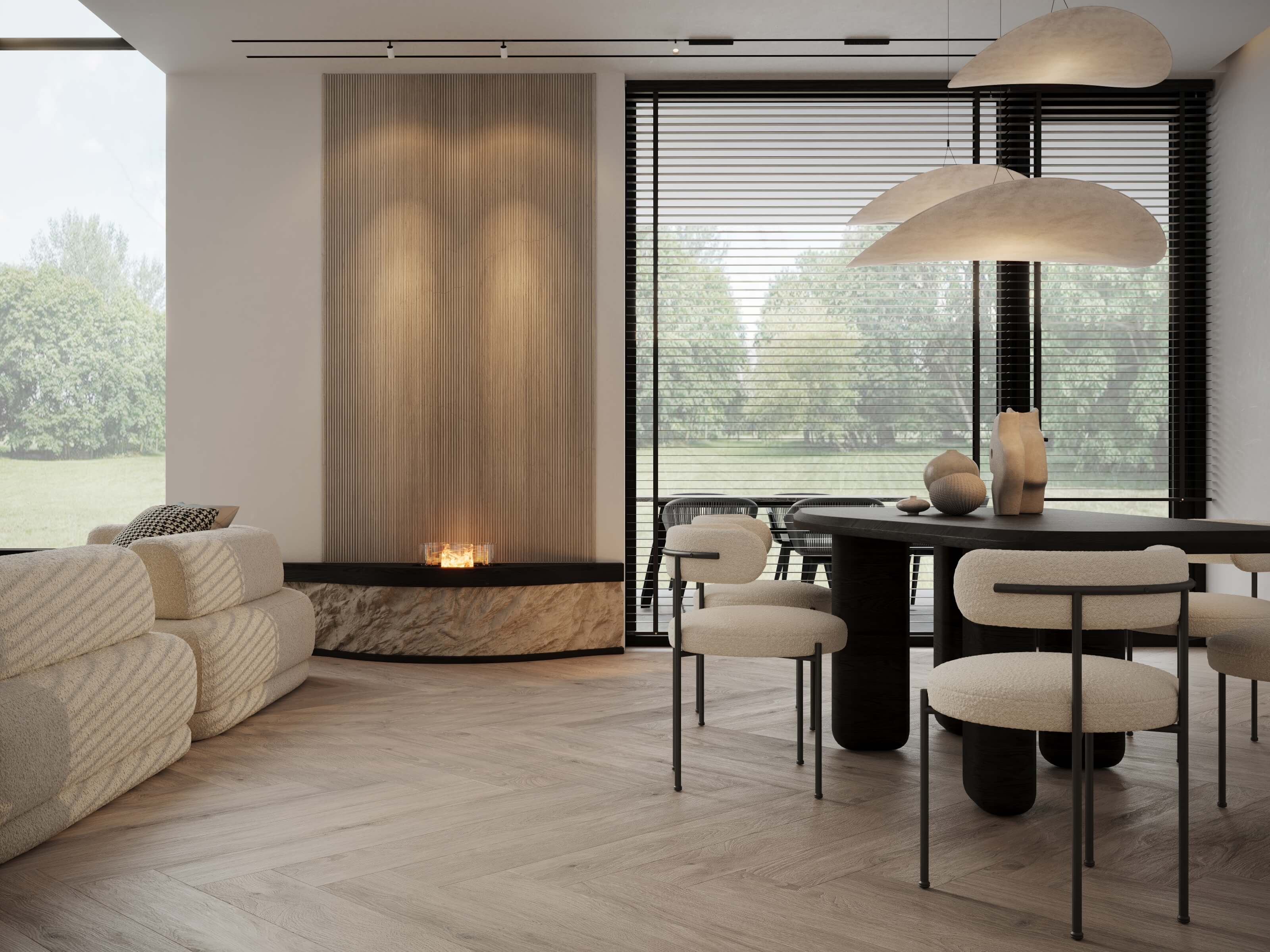
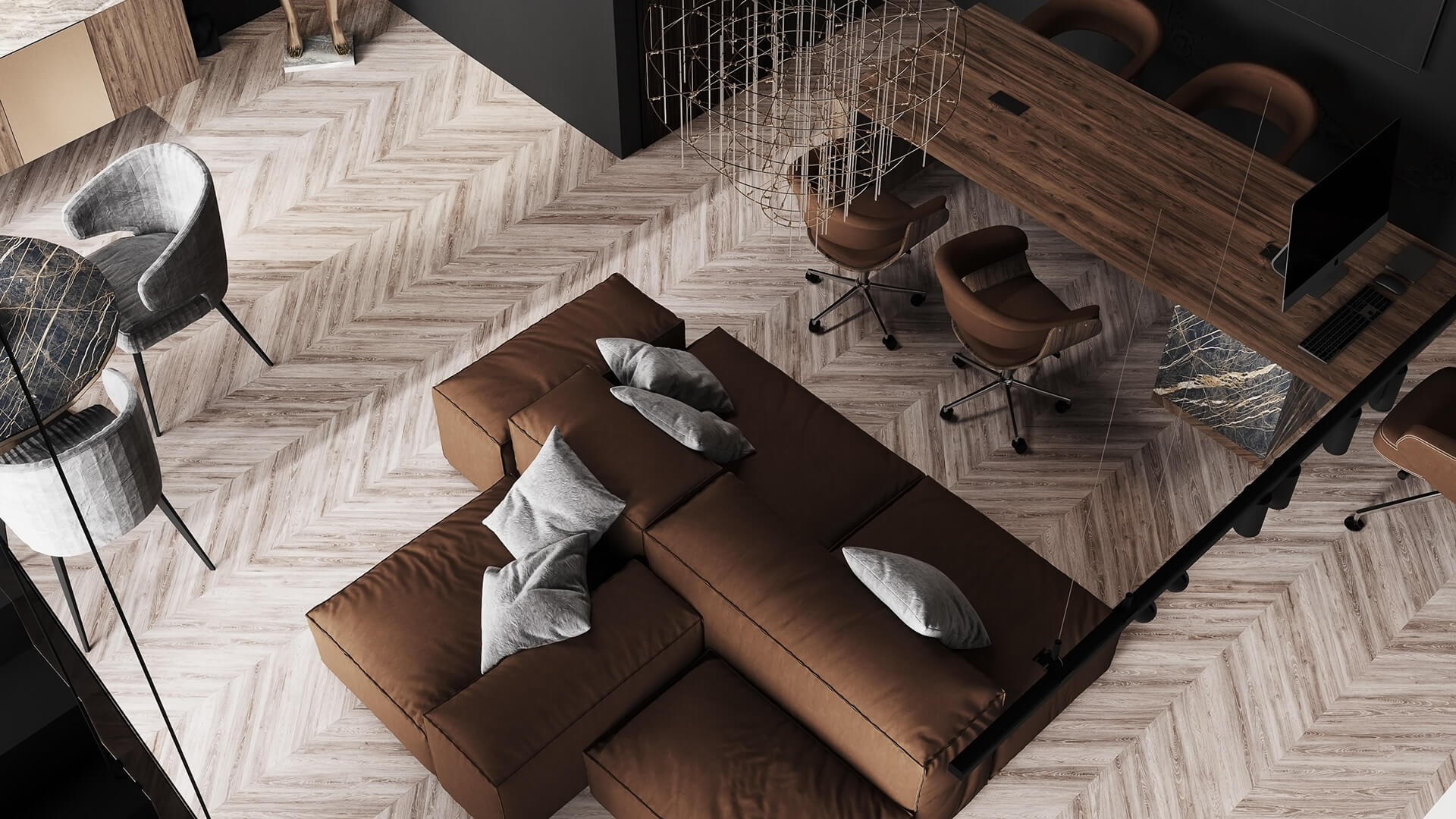
The materials that hold value are the ones that will still look appropriate when the house is sold, which may be many years after the work is done. That usually favors natural, honest materials used with restraint: real wood floors, natural stone or quality porcelain, painted millwork, brushed or unlacquered metals, and a quiet palette that buyers can furnish around. Trends are not forbidden. They simply belong in things that are easy to change. Paint, a powder room wallpaper, light fixtures, hardware, textiles and furniture can carry the personality of the moment and be refreshed later at reasonable cost. Permanent finishes such as tile, counters, cabinetry and flooring are better chosen for longevity. A helpful test is whether a finish relates to the architecture. Classical moldings and herringbone floors suit a prewar apartment or a Colonial house; flat-panel walnut and honed stone suit a modern one. When finishes agree with the building, they tend to read as timeless, because they look as though they belong to the house rather than to a particular year. Coherence matters as much as any single choice. A house where finishes, metals and colors relate from room to room reads as considered, and that impression supports value more than any one expensive material.
The materials that hold value are the ones that will still look appropriate when the house is sold, which may be many years after the work is done. That usually favors natural, honest materials used with restraint: real wood floors, natural stone or quality porcelain, painted millwork, brushed or unlacquered metals, and a quiet palette that buyers can furnish around. Trends are not forbidden. They simply belong in things that are easy to change. Paint, a powder room wallpaper, light fixtures, hardware, textiles and furniture can carry the personality of the moment and be refreshed later at reasonable cost. Permanent finishes such as tile, counters, cabinetry and flooring are better chosen for longevity. A helpful test is whether a finish relates to the architecture. Classical moldings and herringbone floors suit a prewar apartment or a Colonial house; flat-panel walnut and honed stone suit a modern one. When finishes agree with the building, they tend to read as timeless, because they look as though they belong to the house rather than to a particular year. Coherence matters as much as any single choice. A house where finishes, metals and colors relate from room to room reads as considered, and that impression supports value more than any one expensive material.
05
05
Renovation or redesign: choosing the right scope
Not every house needs a renovation to gain value. Sometimes a redesign, meaning a new furniture layout, lighting, paint, window treatments and styling without construction, does more for how a house lives and presents than a new kitchen would. Renovation is usually justified when the problem is functional or physical: a kitchen that does not work, bathrooms with failing waterproofing, outdated electrical or plumbing, a layout that isolates rooms, or finishes in poor condition. These are issues buyers price into an offer, and an inspection will often reveal them. Redesign is usually the answer when the bones are sound but the house feels dated, dark or poorly arranged. Rebalancing furniture so every room is used, replacing harsh overhead light with layered lighting, unifying wall colors and adding window treatments that frame views can change perception substantially, with no permits and short timelines. Many projects combine the two: targeted construction where function demands it, and redesign everywhere else. That combination tends to deliver a strong ratio of value to disruption, and it focuses the budget on the permanent improvements that matter at sale. If a sale is planned soon, the calculation shifts again, toward repairs, neutral refreshes and staging rather than deep renovation.
Not every house needs a renovation to gain value. Sometimes a redesign, meaning a new furniture layout, lighting, paint, window treatments and styling without construction, does more for how a house lives and presents than a new kitchen would. Renovation is usually justified when the problem is functional or physical: a kitchen that does not work, bathrooms with failing waterproofing, outdated electrical or plumbing, a layout that isolates rooms, or finishes in poor condition. These are issues buyers price into an offer, and an inspection will often reveal them. Redesign is usually the answer when the bones are sound but the house feels dated, dark or poorly arranged. Rebalancing furniture so every room is used, replacing harsh overhead light with layered lighting, unifying wall colors and adding window treatments that frame views can change perception substantially, with no permits and short timelines. Many projects combine the two: targeted construction where function demands it, and redesign everywhere else. That combination tends to deliver a strong ratio of value to disruption, and it focuses the budget on the permanent improvements that matter at sale. If a sale is planned soon, the calculation shifts again, toward repairs, neutral refreshes and staging rather than deep renovation.
06
06
How we think about value in our projects
At ImPERFECTION DESIGN we design homes for the people who live in them, while keeping long-term value in view. In practice that means investing in layout, light, kitchens, bathrooms and well-made permanent finishes, and letting furniture, art and color carry more of the personal expression. Our design fee is fixed and agreed before work starts, and products and construction are purchased at cost with no markup, so the studio has no financial reason to steer clients toward more expensive choices. Every room is shown in photorealistic 3D before ordering, which makes it easier to judge whether an upgrade adds something meaningful or simply adds cost. We cannot promise a particular return, and no honest designer can. Location, market conditions and timing affect value far more than any single design decision. What thoughtful design can do is reduce the features buyers discount, strengthen the ones they reward, and, in the meantime, make the house easier to live in. For owners planning a sale, a real estate agent who knows the local market is a useful partner alongside design advice. The design work is most valuable when it is informed by that local knowledge.
At ImPERFECTION DESIGN we design homes for the people who live in them, while keeping long-term value in view. In practice that means investing in layout, light, kitchens, bathrooms and well-made permanent finishes, and letting furniture, art and color carry more of the personal expression. Our design fee is fixed and agreed before work starts, and products and construction are purchased at cost with no markup, so the studio has no financial reason to steer clients toward more expensive choices. Every room is shown in photorealistic 3D before ordering, which makes it easier to judge whether an upgrade adds something meaningful or simply adds cost. We cannot promise a particular return, and no honest designer can. Location, market conditions and timing affect value far more than any single design decision. What thoughtful design can do is reduce the features buyers discount, strengthen the ones they reward, and, in the meantime, make the house easier to live in. For owners planning a sale, a real estate agent who knows the local market is a useful partner alongside design advice. The design work is most valuable when it is informed by that local knowledge.
Questions
Does interior design increase home value?
–
It can, mainly through permanent improvements: a better layout, more natural light, updated kitchens and bathrooms and quality finishes. Decorative choices and furniture influence how buyers feel and how quickly a house sells more than its appraised value. Highly personal or trendy permanent finishes may be discounted by buyers, so restraint usually protects value.
Which home improvements matter most to buyers?
+
Buyers generally respond most to functional layouts, kitchens and bathrooms in good condition, generous storage, natural light and coherent finishes. Visible workmanship also matters, since uneven tile or poorly fitted cabinetry suggests problems elsewhere. Systems such as electrical, plumbing and heating may go unnoticed in a showing but often surface during inspections and negotiations.
Is it worth renovating a kitchen before selling?
+
It depends on condition and timing. A kitchen that is dated but functional can often be refreshed with paint, hardware, lighting and new counters at far lower cost than a full renovation. A kitchen with failing cabinets, a poor layout or worn surfaces may hold back offers. A local agent can help judge what the market expects.
Are trendy finishes bad for resale?
+
Trendy finishes are a risk mainly when they are permanent and hard to change, such as bold tile, unusual counters or strongly colored cabinetry. Trends work well in elements that are easy to replace: paint, wallpaper, light fixtures, hardware, textiles and furniture. Permanent finishes chosen to suit the architecture of the house tend to age better.
M.V
Marian Vist
Principal designer, ImPERFECTION DESIGN. Creates the design concept and leads the decisions that shape each home. New York · New Jersey · Florida · International.
Meet Marian
Continue reading
All articles


Take the idea into your own home.
Tell us which subject connects with your plans and the decision you would like to explore.
Tell us which subject connects with your plans and the decision you would like to explore.