Free discovery call with our principal designer.
✕
Free discovery call with our principal designer.
✕

Mediterranean Interior Design for Warm-Climate Homes
Mediterranean interior design for South Florida: lime plaster, terracotta, arches, shade and airflow, and how to adapt it to humidity and hurricane codes.
Mediterranean interior design for South Florida: lime plaster, terracotta, arches, shade and airflow, and how to adapt it to humidity and hurricane codes.
Mediterranean interior design for South Florida: lime plaster, terracotta, arches, shade and airflow, and how to adapt it to humidity and hurricane codes.
M.V
Marian Vist · Principal designer
·
·
5 min read
In this article
01
Why Mediterranean interior design suits warm climates
02
Plaster, terracotta and stone: the material palette
03
Arches, thresholds and the shape of rooms
04
Shade, airflow and Florida-specific performance
05
Color, furniture and avoiding the Tuscan cliché
06
How we approach Mediterranean homes in Florida
07
Questions
Take this into your home
Bring this article into your first conversation.
Share the passage and explain how it relates to the home you are planning.
01
01
Why Mediterranean interior design suits warm climates
Mediterranean interior design was developed for heat, so it works naturally in South Florida. Thick walls, shaded openings, cool floors and breathable finishes keep rooms comfortable, while plaster, terracotta and timber age gracefully. The modern version keeps that climate logic and drops the heavy, themed decoration that gave the style a bad name. Around the Mediterranean, from Andalusia to the Amalfi coast, houses were shaped by sun and breeze long before air conditioning. Small windows on the hot side, deep loggias on the garden side, courtyards that pull cooler air through the plan and roofs that cast generous shadow are all passive cooling strategies. Florida has its own history with the style. Mediterranean Revival architecture spread through Palm Beach, Coral Gables and other communities during the 1920s, and many of those houses, with their arched loggias, barrel tile roofs and courtyards, still define their neighborhoods. Newer homes borrow the vocabulary freely. The opportunity now is to design interiors that honor the climate logic of the style while reading as fresh and restrained: fewer faux finishes, more real plaster; fewer ornaments, more shade, airflow and texture.
Mediterranean interior design was developed for heat, so it works naturally in South Florida. Thick walls, shaded openings, cool floors and breathable finishes keep rooms comfortable, while plaster, terracotta and timber age gracefully. The modern version keeps that climate logic and drops the heavy, themed decoration that gave the style a bad name. Around the Mediterranean, from Andalusia to the Amalfi coast, houses were shaped by sun and breeze long before air conditioning. Small windows on the hot side, deep loggias on the garden side, courtyards that pull cooler air through the plan and roofs that cast generous shadow are all passive cooling strategies. Florida has its own history with the style. Mediterranean Revival architecture spread through Palm Beach, Coral Gables and other communities during the 1920s, and many of those houses, with their arched loggias, barrel tile roofs and courtyards, still define their neighborhoods. Newer homes borrow the vocabulary freely. The opportunity now is to design interiors that honor the climate logic of the style while reading as fresh and restrained: fewer faux finishes, more real plaster; fewer ornaments, more shade, airflow and texture.
02
02
Plaster, terracotta and stone: the material palette
The surfaces define the experience. Lime plaster, applied by hand in two or three coats, has soft variation and a matte, mineral depth that paint cannot imitate. Because lime is vapor-permeable, it lets walls release moisture rather than trapping it, a meaningful benefit in humid climates provided the wall assembly behind it is designed to match. Limewash over a suitable primer is a lighter alternative. Terracotta floors bring warmth underfoot and patina over time. Handmade tiles, whether Spanish, Mexican Saltillo or Italian cotto, vary in color from tile to tile. They are porous and must be sealed, typically with a penetrating sealer followed by periodic maintenance, especially in kitchens. For heavier traffic or wet areas, a porcelain tile with a convincing terracotta tone is the practical choice. Stone completes the palette. Limestone, travertine with filled pores and honed marble are cool to the touch and work in bathrooms and kitchens. Encaustic cement tiles can bring pattern to a powder room or laundry. Timber is used for ceiling beams, doors and shutters. Dark stained beams once dominated; today pale or weathered oak, pecky cypress or limewashed pine keep ceilings lighter in rooms with lower heights.
The surfaces define the experience. Lime plaster, applied by hand in two or three coats, has soft variation and a matte, mineral depth that paint cannot imitate. Because lime is vapor-permeable, it lets walls release moisture rather than trapping it, a meaningful benefit in humid climates provided the wall assembly behind it is designed to match. Limewash over a suitable primer is a lighter alternative. Terracotta floors bring warmth underfoot and patina over time. Handmade tiles, whether Spanish, Mexican Saltillo or Italian cotto, vary in color from tile to tile. They are porous and must be sealed, typically with a penetrating sealer followed by periodic maintenance, especially in kitchens. For heavier traffic or wet areas, a porcelain tile with a convincing terracotta tone is the practical choice. Stone completes the palette. Limestone, travertine with filled pores and honed marble are cool to the touch and work in bathrooms and kitchens. Encaustic cement tiles can bring pattern to a powder room or laundry. Timber is used for ceiling beams, doors and shutters. Dark stained beams once dominated; today pale or weathered oak, pecky cypress or limewashed pine keep ceilings lighter in rooms with lower heights.
03
03
Arches, thresholds and the shape of rooms
Arches are the signature form, but their power comes from depth and proportion rather than repetition. A wall 8 to 12 inches thick, with a plastered reveal running through the opening, makes a doorway feel substantial and cool. A shallow arch cut into thin drywall reads as decoration. Keep the vocabulary consistent. Choose one arch type, such as a full semicircle, a segmental curve or a softened square, and use it throughout the main rooms. Mixing three styles in one house feels improvised. Thresholds organize the plan. Moving from a bright loggia into a slightly dimmer hall and then into a living room creates a sequence of light and shade that makes rooms feel cooler than their thermostat reading. Niches, built-in benches and window seats set into thick walls add function without furniture. Ceilings deserve attention. Vaults, exposed beams or a plaster cove give the eye somewhere to rest and help warm air rise away from people. In a new build, plan ceiling heights of 10 feet or more in main rooms if the budget and structure allow. None of this is decorative alone; every move is about light, air and temperature.
Arches are the signature form, but their power comes from depth and proportion rather than repetition. A wall 8 to 12 inches thick, with a plastered reveal running through the opening, makes a doorway feel substantial and cool. A shallow arch cut into thin drywall reads as decoration. Keep the vocabulary consistent. Choose one arch type, such as a full semicircle, a segmental curve or a softened square, and use it throughout the main rooms. Mixing three styles in one house feels improvised. Thresholds organize the plan. Moving from a bright loggia into a slightly dimmer hall and then into a living room creates a sequence of light and shade that makes rooms feel cooler than their thermostat reading. Niches, built-in benches and window seats set into thick walls add function without furniture. Ceilings deserve attention. Vaults, exposed beams or a plaster cove give the eye somewhere to rest and help warm air rise away from people. In a new build, plan ceiling heights of 10 feet or more in main rooms if the budget and structure allow. None of this is decorative alone; every move is about light, air and temperature.
04
04
Shade, airflow and Florida-specific performance
Shade is the first line of comfort. Deep loggias, covered terraces, pergolas with retractable fabric or operable louvers, and planting such as palms and sea grape on the hottest exposures reduce heat before it reaches the glass. Interior shutters and linen curtains handle the rest. Airflow follows. Cross ventilation between opposite openings and ceiling fans in living rooms, bedrooms and outdoor rooms allow thermostats to be set slightly higher with similar comfort. Fans should be sized to the room and mounted with blades roughly 7 to 9 feet from the floor. Florida adds requirements the Mediterranean never had. In Miami-Dade and Broward, the High-Velocity Hurricane Zone provisions of the Florida Building Code apply, and windows and doors typically need impact-rated products with the appropriate approvals. Large arched openings with impact glass can be heavy and costly, so their design should be coordinated with the architect and window supplier early. Humidity and salt air shape material choices. Specify marine-grade stainless steel or powder-coated aluminum for exterior hardware and lighting, teak or other durable hardwoods for outdoor furniture, and solution-dyed acrylic fabrics outside. Indoors, consistent dehumidification protects plaster, timber and textiles.
Shade is the first line of comfort. Deep loggias, covered terraces, pergolas with retractable fabric or operable louvers, and planting such as palms and sea grape on the hottest exposures reduce heat before it reaches the glass. Interior shutters and linen curtains handle the rest. Airflow follows. Cross ventilation between opposite openings and ceiling fans in living rooms, bedrooms and outdoor rooms allow thermostats to be set slightly higher with similar comfort. Fans should be sized to the room and mounted with blades roughly 7 to 9 feet from the floor. Florida adds requirements the Mediterranean never had. In Miami-Dade and Broward, the High-Velocity Hurricane Zone provisions of the Florida Building Code apply, and windows and doors typically need impact-rated products with the appropriate approvals. Large arched openings with impact glass can be heavy and costly, so their design should be coordinated with the architect and window supplier early. Humidity and salt air shape material choices. Specify marine-grade stainless steel or powder-coated aluminum for exterior hardware and lighting, teak or other durable hardwoods for outdoor furniture, and solution-dyed acrylic fabrics outside. Indoors, consistent dehumidification protects plaster, timber and textiles.
05
05
Color, furniture and avoiding the Tuscan cliché
Many homeowners remember a version of this style built from faux-painted walls, heavy wrought iron, dark cabinetry and grape motifs. That approach tends to make rooms feel smaller and hotter, the opposite of the style's purpose. The contemporary palette is lighter. Chalky whites and warm sand on walls, terracotta and ochre underfoot, accents of olive, sea blue and faded indigo in textiles and ceramics. Color comes from materials and objects rather than from painted effects. Furniture is simpler and lower than the Revival era suggested. Slipcovered linen sofas, rush or woven seat dining chairs, a long refectory-style table in solid oak, and a few antiques with genuine age give the room its soul. Upholstery fabrics should be breathable: linen, cotton, or performance blends that resist humidity and sun. Metal is used sparingly and finely: thin iron frames for mirrors and lights, unlacquered brass that will age, bronze hardware. Accessories earn their place when they are fewer and larger: a large terracotta pot with an olive tree, a stack of linens in an open niche, one important ceramic piece on a console. The calm of a well-designed Mediterranean room comes from restraint as much as warmth.
Many homeowners remember a version of this style built from faux-painted walls, heavy wrought iron, dark cabinetry and grape motifs. That approach tends to make rooms feel smaller and hotter, the opposite of the style's purpose. The contemporary palette is lighter. Chalky whites and warm sand on walls, terracotta and ochre underfoot, accents of olive, sea blue and faded indigo in textiles and ceramics. Color comes from materials and objects rather than from painted effects. Furniture is simpler and lower than the Revival era suggested. Slipcovered linen sofas, rush or woven seat dining chairs, a long refectory-style table in solid oak, and a few antiques with genuine age give the room its soul. Upholstery fabrics should be breathable: linen, cotton, or performance blends that resist humidity and sun. Metal is used sparingly and finely: thin iron frames for mirrors and lights, unlacquered brass that will age, bronze hardware. Accessories earn their place when they are fewer and larger: a large terracotta pot with an olive tree, a stack of linens in an open niche, one important ceramic piece on a console. The calm of a well-designed Mediterranean room comes from restraint as much as warmth.
06
06
How we approach Mediterranean homes in Florida
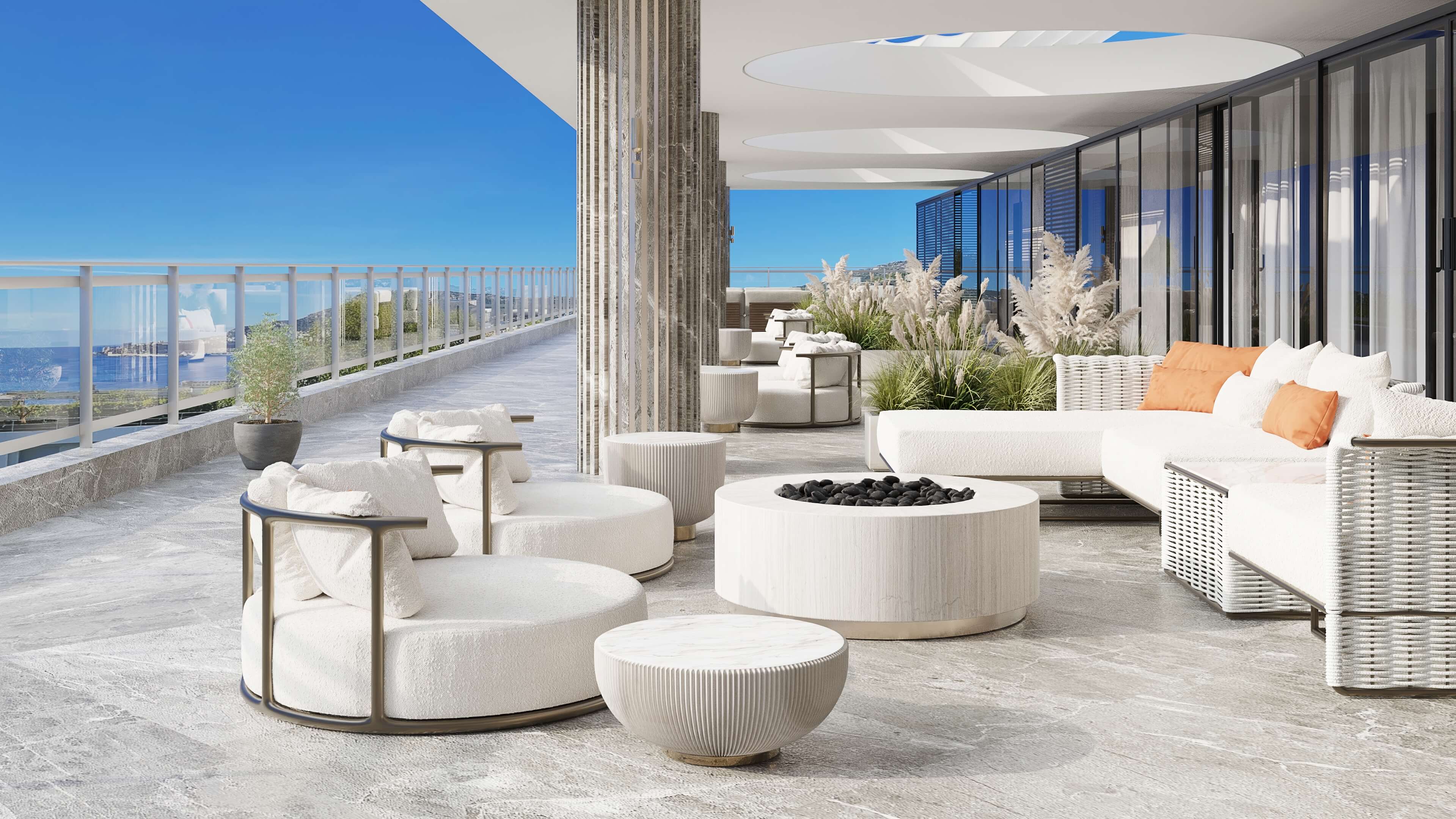
ImPERFECTION DESIGN works across New York, New Jersey and Florida, with offices in West Palm Beach and at 201 Biscayne Blvd in Miami, so warm-climate performance is part of how we think about every material decision. Our work on the Sculptural Riviera Penthouse in Monaco, a 6,460 square foot residence with a Riviera-facing terrace, shows how sculptural furniture, curved metal and expressive stone can connect interiors with the Mediterranean outdoors. We are not an architecture firm. For arches, structural openings and impact-rated glazing, we coordinate closely with licensed architects and engineers so design intent and code requirements align from the start. Every room is visualized in photorealistic 3D, often with a 360° tour, before construction or ordering. Plaster tones, terracotta variation and the depth of an arched reveal are much easier to evaluate on screen than on a sample board, and revisions within each design stage are unlimited within the agreed scope. We work for one fixed design fee agreed before design starts, and buy products and construction at cost with 0% markup, with every supplier invoice visible. Site supervision continues until handover, and twelve months of support afterward cover the small adjustments a home needs in its first full season.
ImPERFECTION DESIGN works across New York, New Jersey and Florida, with offices in West Palm Beach and at 201 Biscayne Blvd in Miami, so warm-climate performance is part of how we think about every material decision. Our work on the Sculptural Riviera Penthouse in Monaco, a 6,460 square foot residence with a Riviera-facing terrace, shows how sculptural furniture, curved metal and expressive stone can connect interiors with the Mediterranean outdoors. We are not an architecture firm. For arches, structural openings and impact-rated glazing, we coordinate closely with licensed architects and engineers so design intent and code requirements align from the start. Every room is visualized in photorealistic 3D, often with a 360° tour, before construction or ordering. Plaster tones, terracotta variation and the depth of an arched reveal are much easier to evaluate on screen than on a sample board, and revisions within each design stage are unlimited within the agreed scope. We work for one fixed design fee agreed before design starts, and buy products and construction at cost with 0% markup, with every supplier invoice visible. Site supervision continues until handover, and twelve months of support afterward cover the small adjustments a home needs in its first full season.
Questions
What defines Mediterranean interior design?
–
Mediterranean interior design is defined by lime plaster or textured walls, terracotta and stone floors, arched openings with deep reveals, exposed timber beams, and furniture in natural materials such as oak, linen and iron. Its underlying logic is climatic: shade, airflow and cool surfaces keep rooms comfortable in hot weather, which is why it suits South Florida.
Do terracotta floors work in Florida homes?
+
Yes, with proper sealing and maintenance. Handmade terracotta is porous, so it needs a penetrating sealer and periodic resealing, particularly in kitchens and entries. In high-traffic or wet areas, porcelain tiles in terracotta tones offer similar warmth with lower upkeep. Consistent air conditioning and dehumidification help any natural floor perform well in humid conditions.
How do hurricane codes affect Mediterranean style homes in South Florida?
+
In Miami-Dade and Broward counties, the High-Velocity Hurricane Zone provisions of the Florida Building Code typically require impact-rated windows and doors with appropriate approvals. Large arched openings and multi-panel doors need early coordination between designer, architect and window supplier, since impact glazing affects frame depth, weight, cost and lead time.
How can a Mediterranean interior avoid looking dated?
+
Choose real lime plaster over faux-painted finishes, keep wall colors light, reduce heavy wrought iron and dark cabinetry, and use fewer, larger accessories. Lighter beams, slipcovered linen upholstery, honed stone and a few genuine antiques create a calmer, current version of the style while keeping its warmth and climate-friendly logic.
M.V
Marian Vist
Principal designer, ImPERFECTION DESIGN. Creates the design concept and leads the decisions that shape each home. New York · New Jersey · Florida · International.
Meet Marian
Continue reading
All articles


Take the idea into your own home.
Tell us which subject connects with your plans and the decision you would like to explore.
Tell us which subject connects with your plans and the decision you would like to explore.